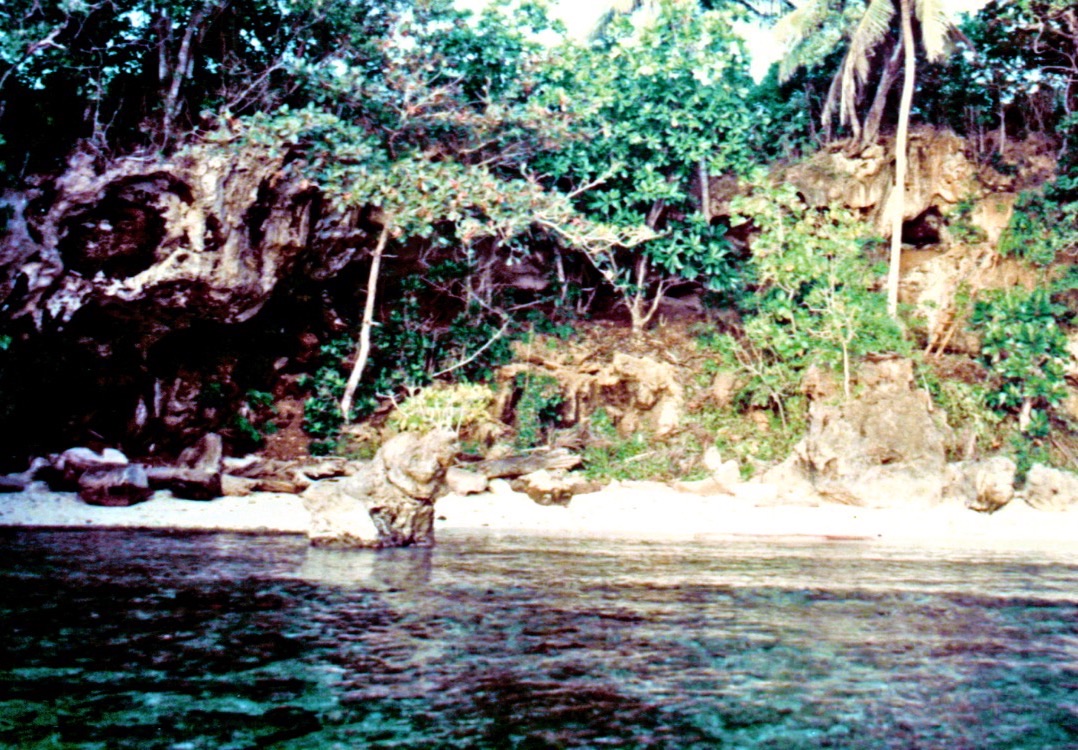
The site of the first mosque in the Philippines, founded in 1380.
Sheik Karim al-Makhdum, an Arab missionary, reached Simunul in 1380 and built a mosque at Tubig Indangan. That is the beginning of Islam in the Philippines as a settled presence — roughly 140 years before Magellan landed at Cebu, and the fact that reorders most visitors’ sense of the country’s history.
The building has been replaced over the centuries, but four old hardwood pillars, which the National Museum dates to the 17th century, stand inside the present structure. Standing next to them is the whole visit. The site is a National Historical Landmark and the Sheik’s tomb is nearby.
See the 4 old hardwood pillars inside the mosque
The National Museum dated the pillars to the 17th century, which makes them the oldest known Islamic artefacts in the Philippines; ask before photographing them.
en.wikipedia.orgVisit Sheik Karimul Makhdum's tomb nearby
The missionary's remains are buried close to the mosque; cover up and keep quiet, as at any pilgrimage site.
sunstar.com.phCome for Sheikh Karimul Makhdum Day on November 7
Simunul marks the Sheik's arrival and the beginning of Islam in the country every November 7.
philstar.comSwim at one of Simunul's beaches
The municipality has 6 beaches across Simunul Island and Manuk Mangkaw Island, 3.5 km to the south.
en.wikipedia.orgBorrow proper clothes at the office beside the mosque
The office next to the mosque lends visitors suitable attire for free; donations are welcome.
philippinebeaches.orgSwim at Bohe Sallang
Bohe Sallang is a small public freshwater lagoon on Simunul, cold and deep, where locals dive and swim at weekends.
philippinebeaches.orgCatch the noon boat and stay the night
Public boats to Simunul usually leave the Chinese Pier in Bongao around noon and the return boat leaves at about 8 am, so without a chartered boat you stay overnight.
rappler.com