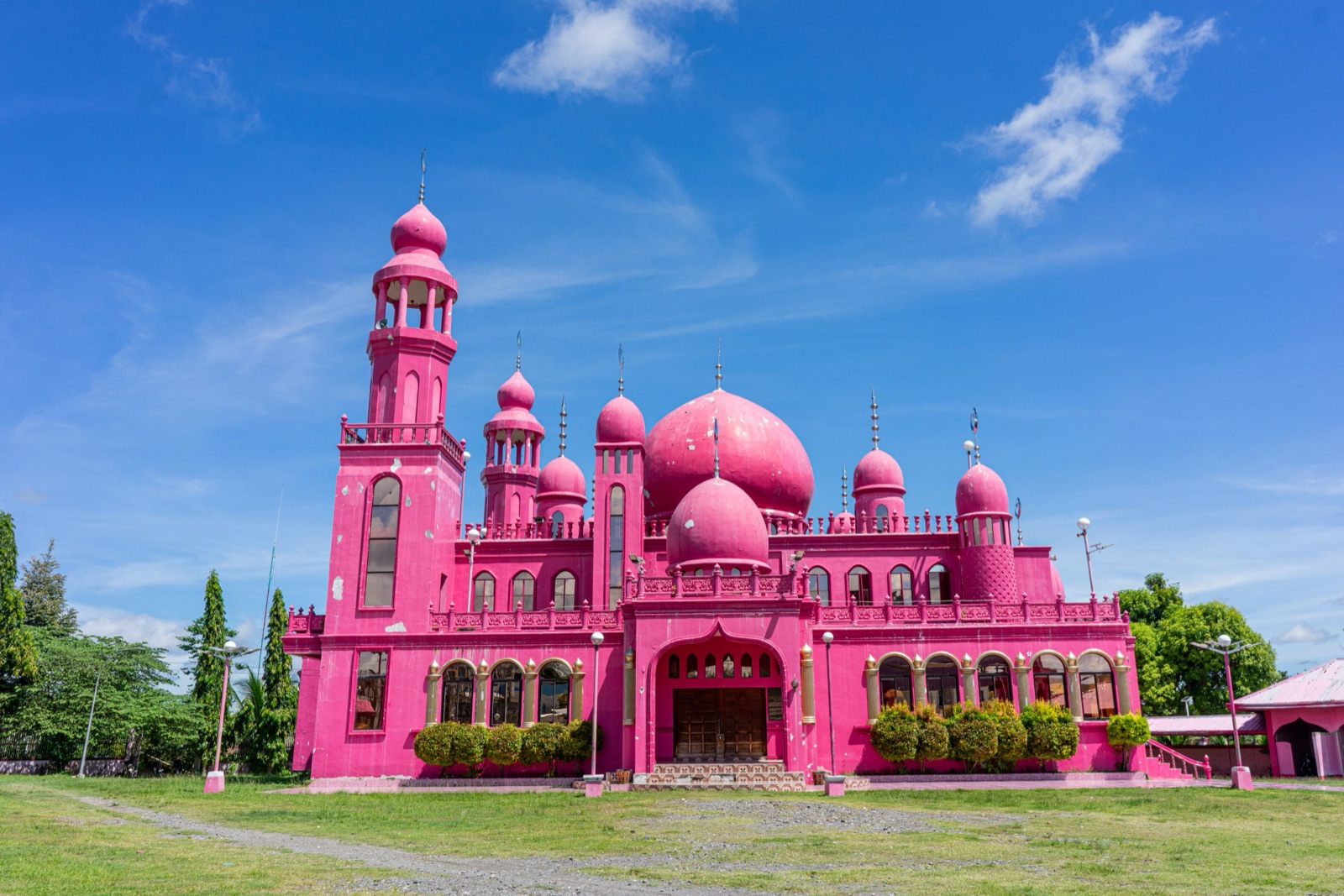
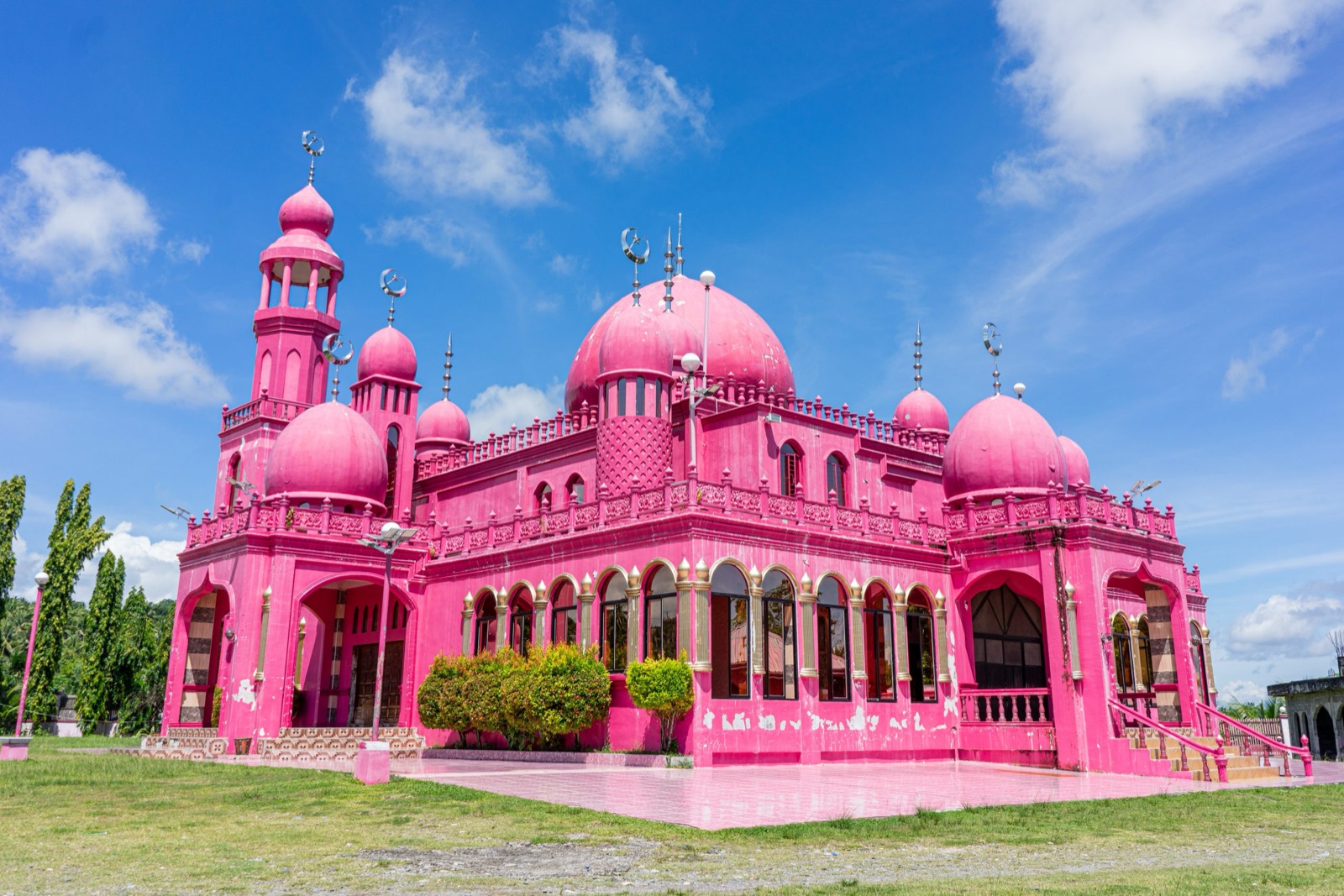
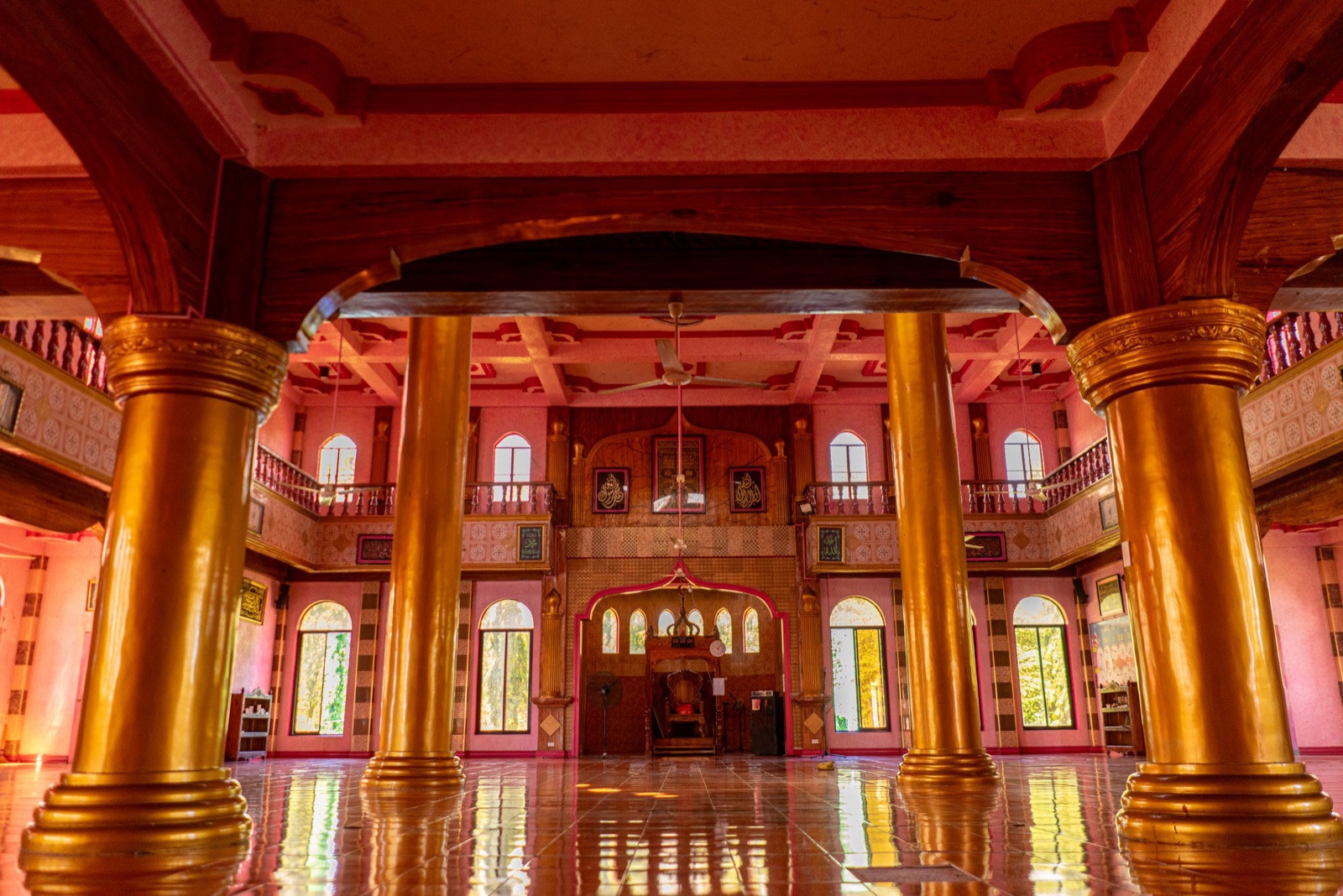
Mosque · Datu Saudi-Ampatuan, Maguindanao del Sur
Masjid Dimaukom
A mosque painted entirely pink, built by Muslim and Christian hands together.
Best: Early morning: a visitor at 8 am found it almost empty
Get involved
Spotted an error, or have a document worth adding? Every correction and every source makes the record stronger — and the official source is always right where we are wrong.
Area guide
The pink mosque, the great marsh, and the agricultural heart of the region.
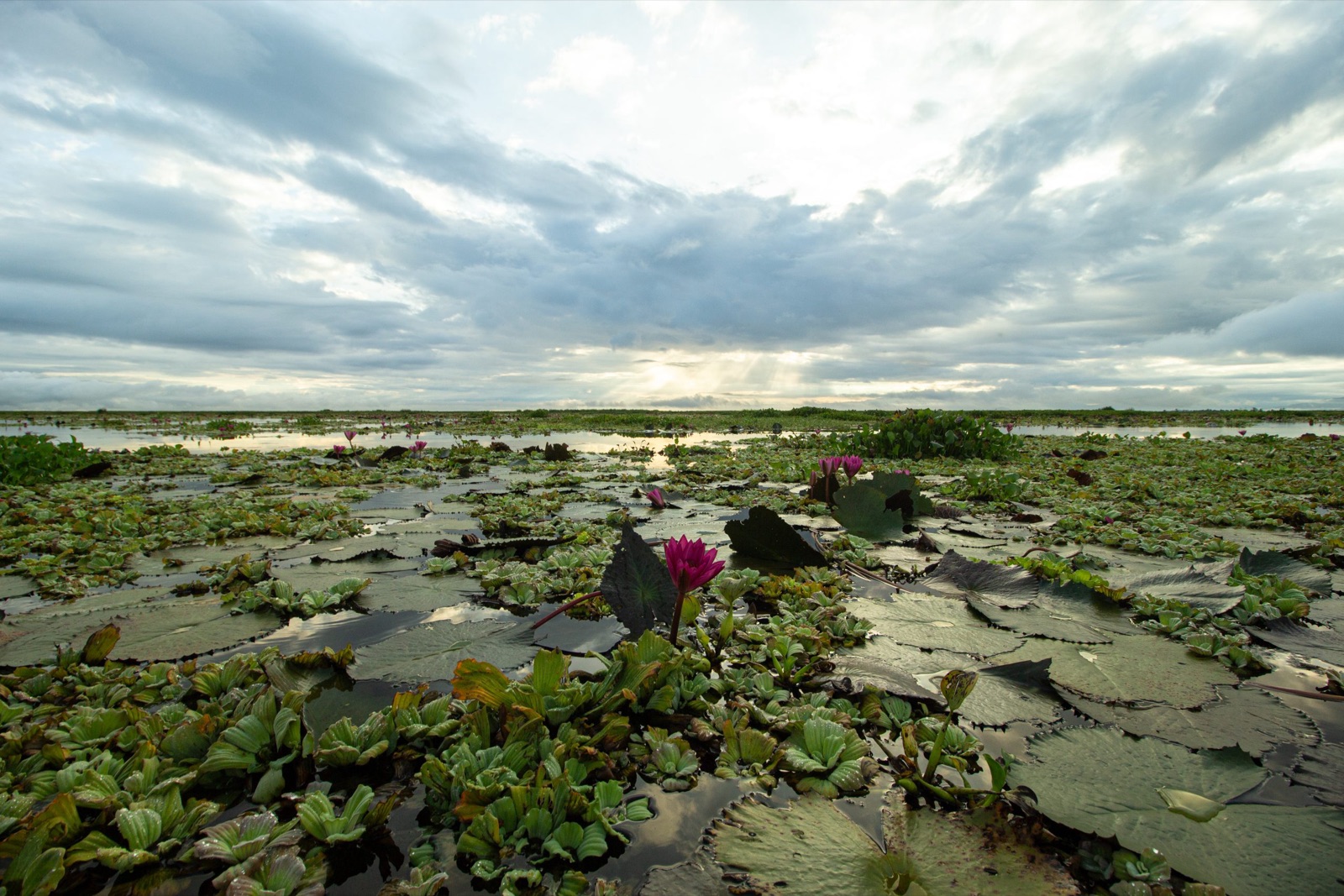
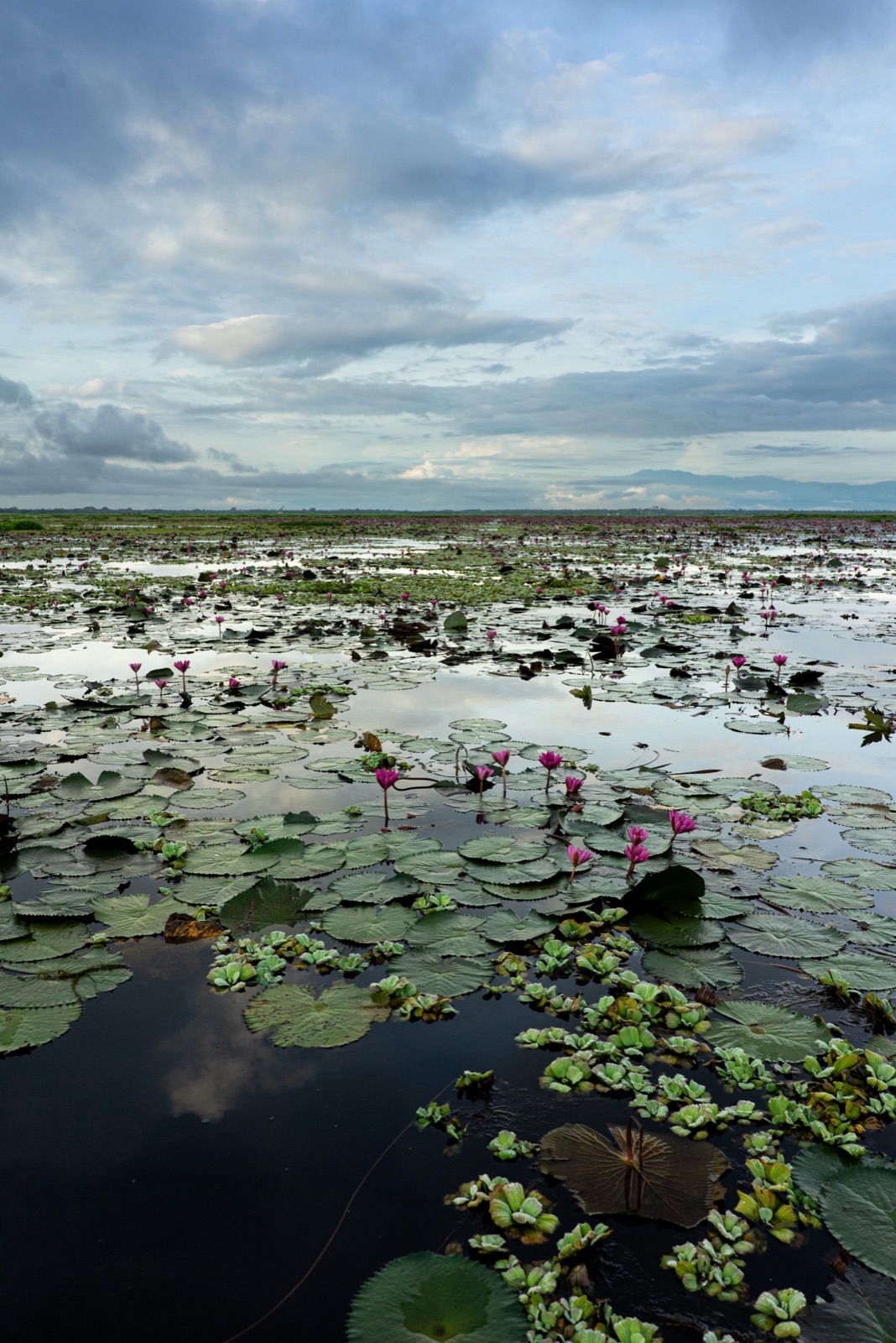
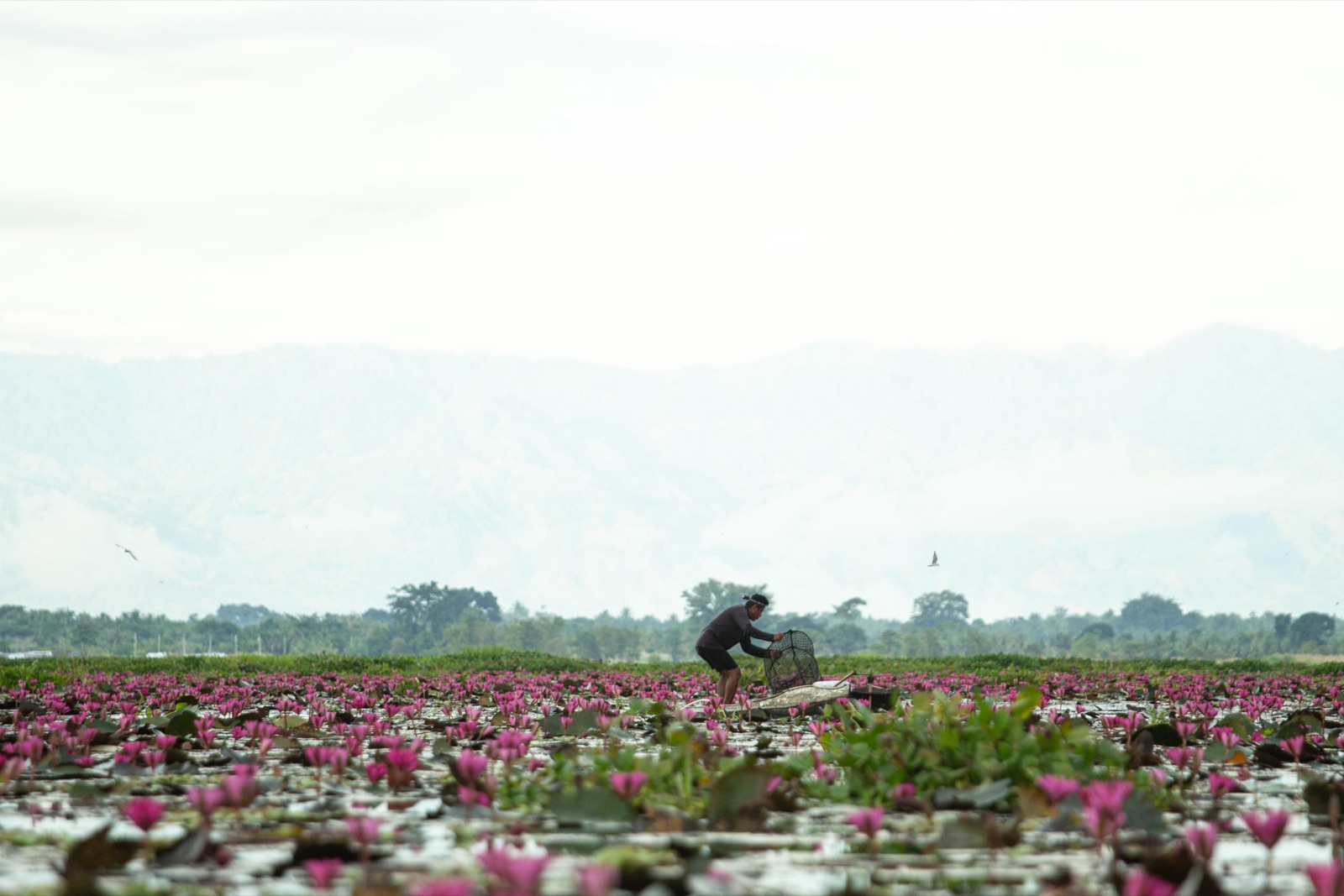
Maguindanao del Sur is inland, flat and green, and the least traveled part of BARMM by outsiders. Its landscape feature is Ligawasan Marsh — one of the largest wetlands in the country, a maze of channels and floating vegetation, rich in birdlife and, less romantically, in natural gas. Getting onto it means a boat and a local guide, and there is no arrangement for that beyond asking in the barangay.
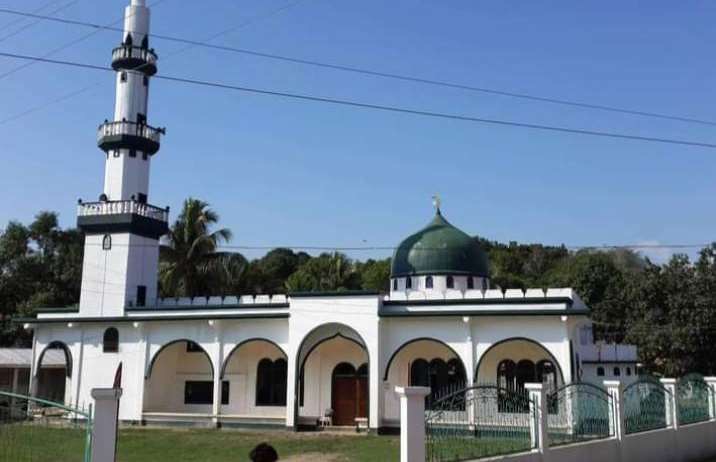
The one thing here that has traveled internationally is Masjid Dimaukom in Datu Saudi-Ampatuan, painted entirely pink and known everywhere as the Pink Mosque. It was built at the initiative of the town’s mayor by Muslim and Christian workers together, and the color was chosen as a statement about peace rather than a decorative accident. It is a working mosque, so the visiting rules are the visiting rules.
The province also carries the heaviest recent history in the region, and residents are aware that its name reaches outsiders attached to the 2009 massacre and the 2015 Mamasapano encounter. Both happened here. Neither describes the province, and both are part of why travel infrastructure never developed.
17 places to see in Maguindanao del Sur.
Mosque · Datu Saudi-Ampatuan, Maguindanao del Sur
A mosque painted entirely pink, built by Muslim and Christian hands together.
Best: Early morning: a visitor at 8 am found it almost empty
Nature · Datu Piang, Maguindanao del Sur
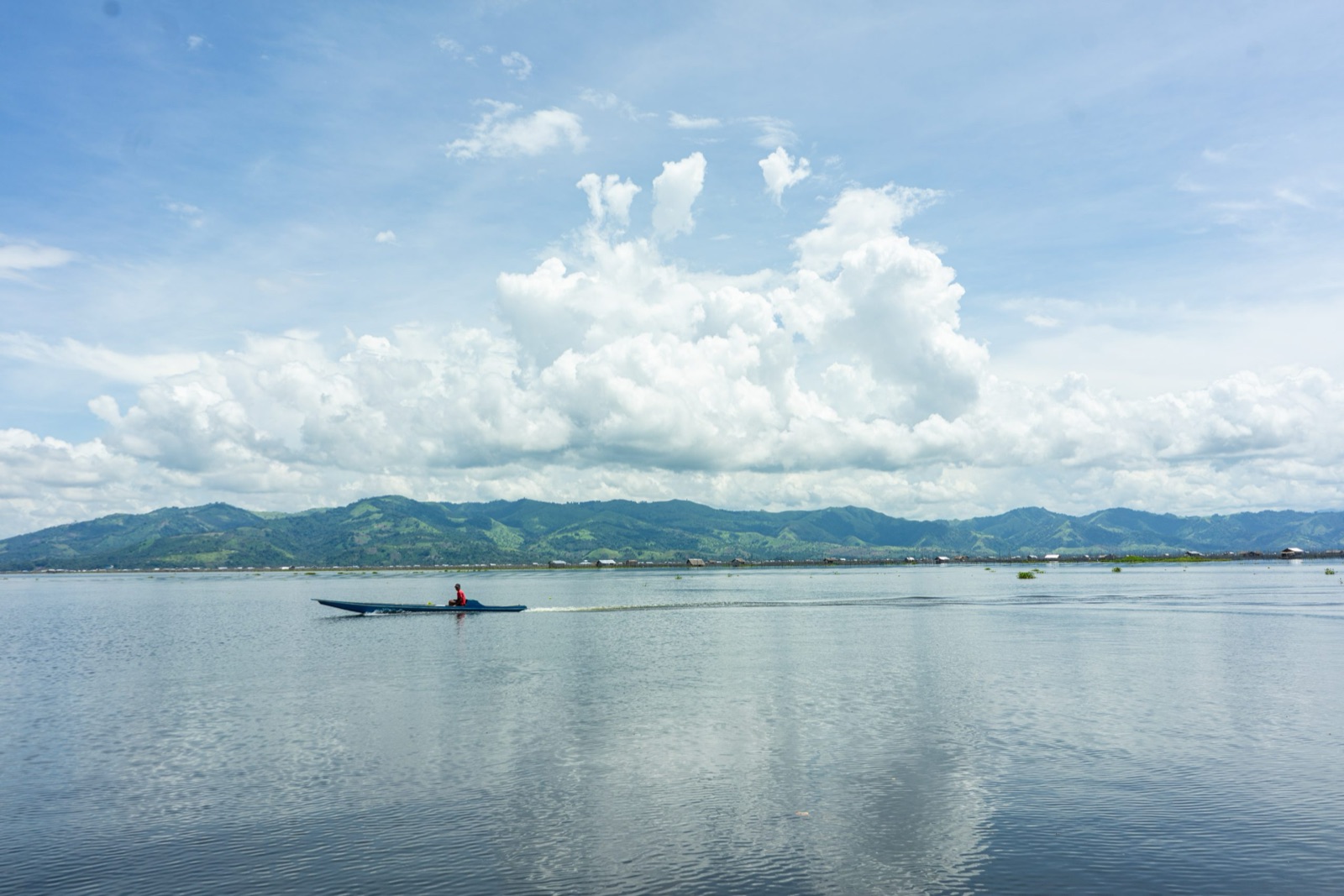
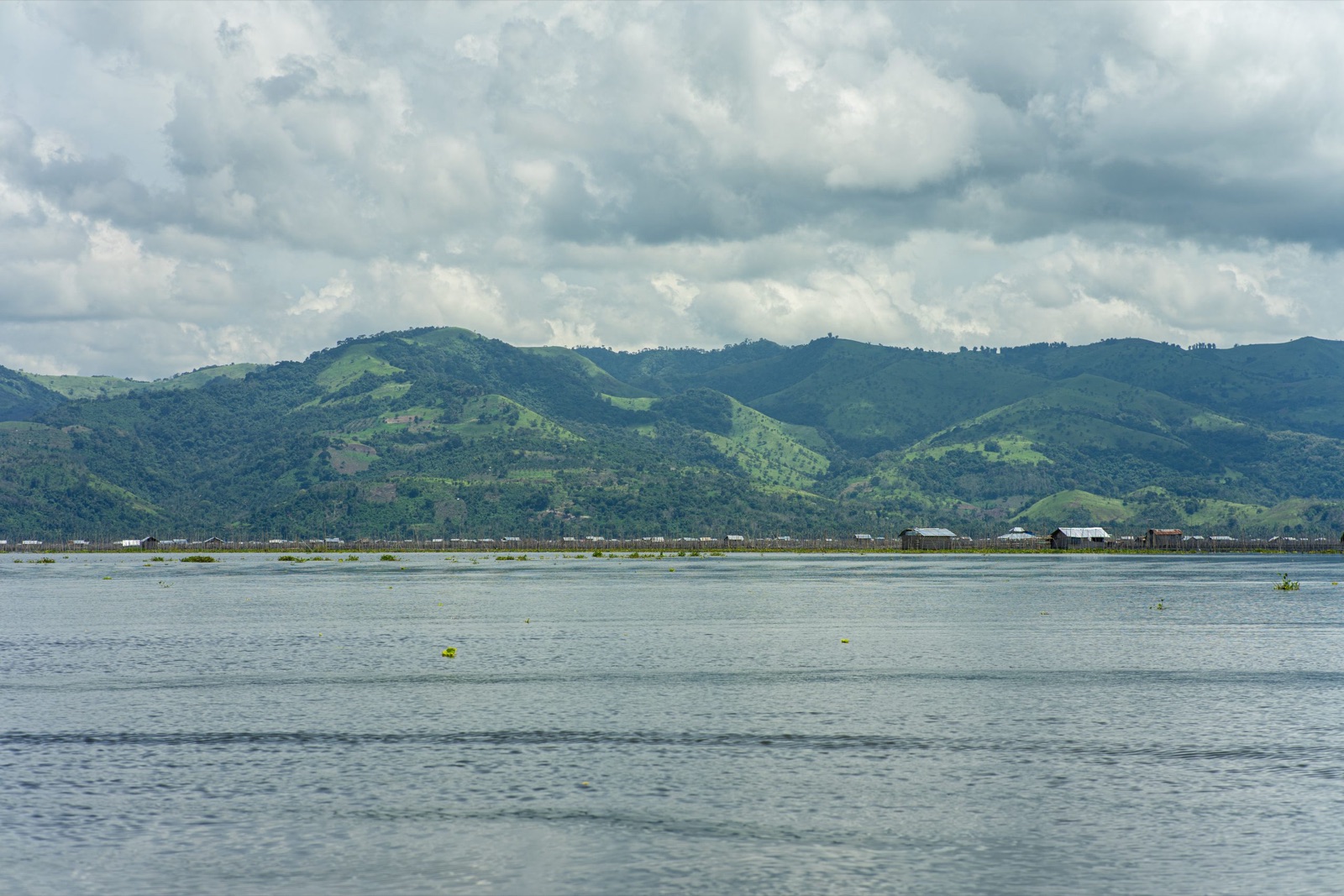
One of the largest wetlands in the country — channels, floating vegetation, birds.
Best: Dawn, for the birds
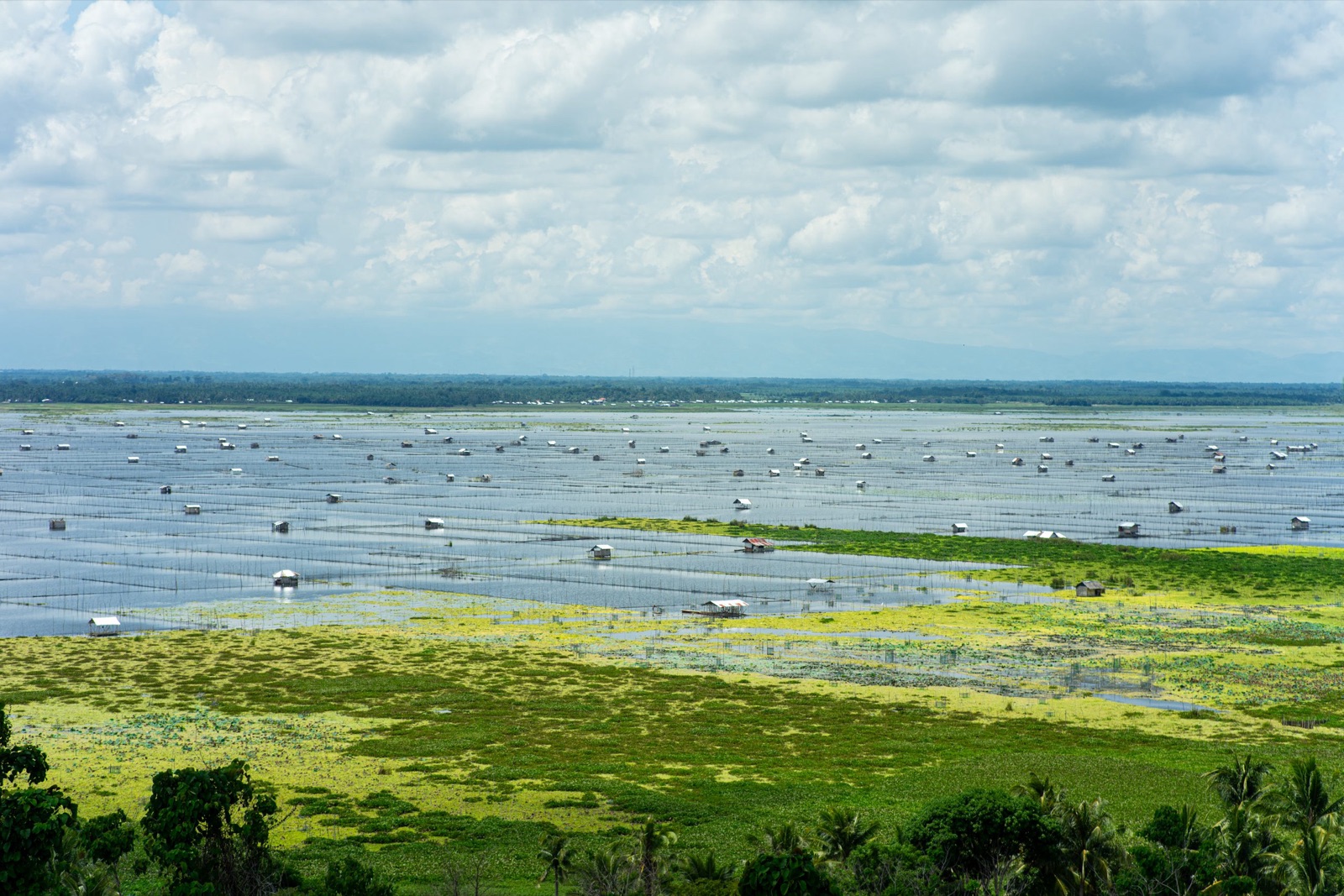
Lake · Buluan, Maguindanao del Sur
The third-largest lake in Mindanao, a wide shallow basin ringed by mountains.
Best: Sunrise, when fishers paddle out to their nets and tilapia pens
Heritage · Datu Piang, Maguindanao del Sur
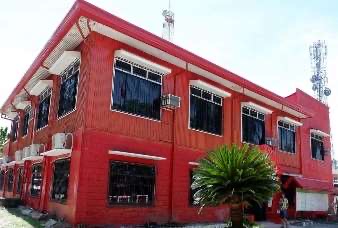
The historic red house of Datu Piang, now the town's municipal building.
Falls · South Upi, Maguindanao del Sur
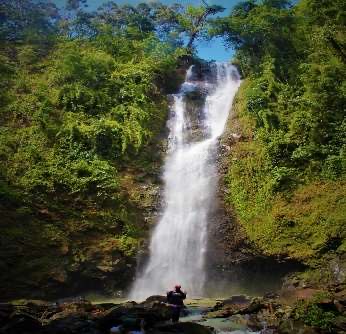
A cascading waterfall in the mountains of South Upi, in Teduray country.
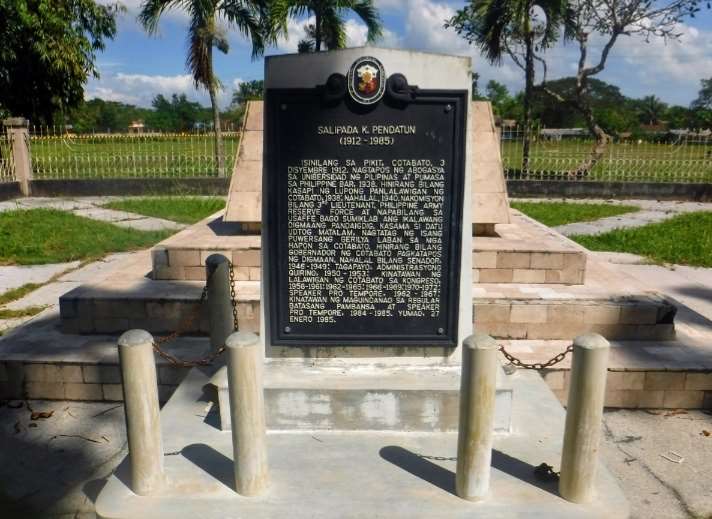
Heritage · General Salipada K. Pendatun, Maguindanao del Sur
The grave of the World War II guerrilla leader and lawmaker after whom his town is named, marked by the National Historical Commission.
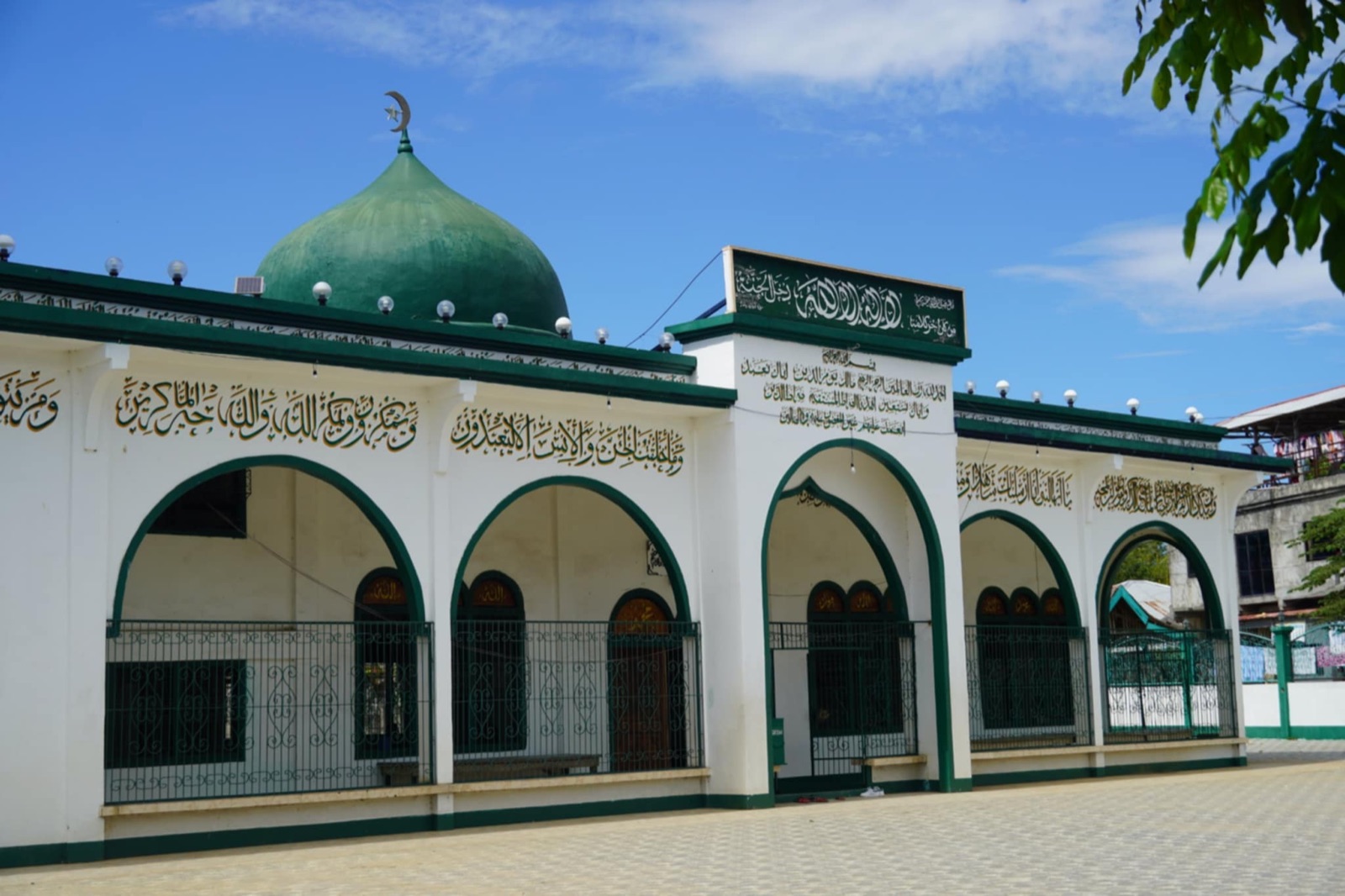
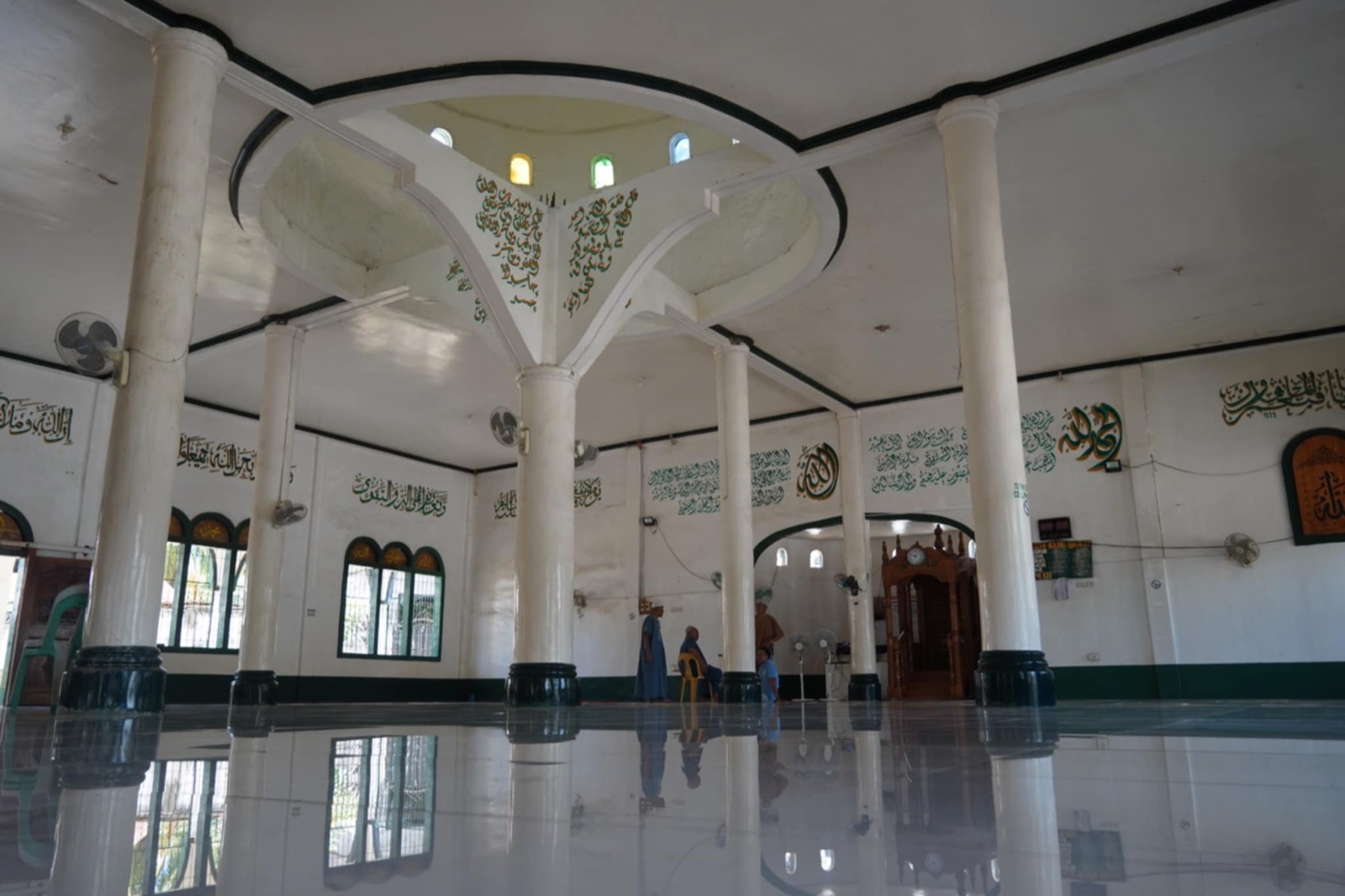
Mosque · Guindulungan, Maguindanao del Sur
A highway mosque in Guindulungan, opened in 1995, that sheltered MILF fighters during the war and is now painted inside with Qur'anic calligraphy.
Best: Eid, when the mosque is the main venue for the town's congregational prayers
Nature · Ampatuan, Maguindanao del Sur
A cool spring in Ampatuan, on ground the Teduray hold as a sacred hunting ground.
How long it takes
Through local contacts and the LGU. Assume nothing is listed anywhere.
There is no visitor lodging market in most of this province. What exists is a handful of inns in the larger municipal centers serving traders and government travelers, and they are not places anyone would choose for their own sake.
The practical pattern is to base in Cotabato City to the north or in Tacurong and Isulan to the south — both outside BARMM, both with hotels — and travel in for the day, which is what almost everyone does.
Where an overnight is unavoidable, it should be arranged in advance through a local contact or the municipality rather than improvised.
Not applicable in the usual sense; availability is a question of who you know.
Nothing on this page has been verified on the ground, and no establishment is endorsed. Lodging in this region opens, closes and changes hands quickly, and the only reliable confirmation is a phone call before you travel. Where a trip depends on a bed being there, confirm it directly with the property or the area’s tourism office.
This is the area to arrange rather than improvise. Several municipalities carry standing advisories and a visible military presence, and clan disputes are a real and local phenomenon that outsiders read badly. Travel with a local contact who knows the specific town, coordinate with the LGU, and treat any plan that does not include those two steps as incomplete.
December to April is drier and the roads are better for it. The marsh is fuller and more navigable in the wet months, which is a genuine trade-off rather than a preference.
24 cities and municipalities.